
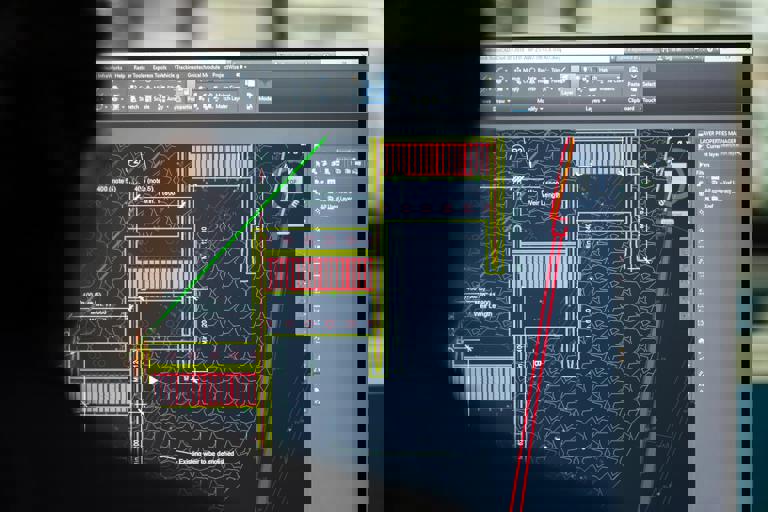
As 2026 approaches, the evolution of software architecture in Canada is increasingly driven by innovative visual modeling tools, propelling developers into a new era of design. These tools, which allow teams to collaboratively map out complex systems, are dramatically reshaping how core architectural patterns are implemented. Industry analysts attribute their rapid adoption to the intensifying demands for speed, maintainability, and transparency in enterprise-scale applications across sectors such as healthcare, finance, and public services.
In particular, architects and engineers have embraced sophisticated visual editors that not only depict static UML diagrams but also enable interactive, real-time simulation of system workflows. This shift supports a growing emphasis on agile methodologies, where frequent iteration and clear stakeholder communication are paramount. Tools like Visual Paradigm 2026, which boasts customizable integration with Canadian data privacy regulations, now underpin nearly half of national development projects, according to a recent survey by TechInsights Canada.
Central to these advancements is the streamlined deployment of classic and emerging design patterns, such as Singleton, Factory, and Observer. Karen Lapointe, principal architect at Montreal’s InnovApp, notes, “Visual tools allow my teams to experiment safely with new approaches, instantly seeing the impact of changes before they reach the codebase.” This capability reduces costly errors and enhances the ability to document architecture decisions in line with regulatory and auditing requirements, a key consideration for enterprises in Canada.
One of the most transformative trends is the automation of pattern implementation within visual tools. For example, when deploying a Factory mechanism, developers can now drag and drop standardized modules that generate skeletal code for various languages, including Java, Python, and TypeScript. This functionality speeds up onboarding for junior engineers and shortens project timelines by up to 30%, according to a recent report by the Canadian Software Consortium.
Some Canadian firms are leveraging these tools to ensure better alignment between business objectives and IT systems. Visual modeling’s transparent approach allows executives and non-technical stakeholders to participate in architecture reviews, often leading to more informed decisions and reduced friction between departments. Toronto-based fintech company PayWave attributes the decreased incidence of project miscommunications in 2025 to these enhanced collaborative processes.
Despite the prevalence of visual tools, experts urge caution regarding over-reliance on automation. Raymond Singh, a software engineering professor at the University of British Columbia, cautions, “While automation accelerates development, it also risks masking fundamental misunderstandings about architecture if practitioners treat diagrams as sufficient in themselves.” Singh promotes combining these tools with traditional, theory-based education to ensure architectural integrity in Canadian-built systems.
Looking ahead, trends suggest that visual modeling technologies in Canada will integrate with cutting-edge AI systems to further augment decision-making. Gartner’s 2026 forecast anticipates that 70% of large Canadian organizations will adopt AI-powered architecture validation tools, capable of providing real-time feedback on scalability and security. This integration is expected to propel the nation’s tech landscape towards more resilient, future-proof infrastructures.
In conclusion, the maturation of visual tools is transforming Canadian software architecture, making the development of robust, compliant systems more accessible than ever before. As these platforms become increasingly intelligent and collaborative, their impact is likely to extend well beyond design patterns—reshaping the very fabric of software engineering in Canada and positioning the country as a leader in digital innovation by 2026.