
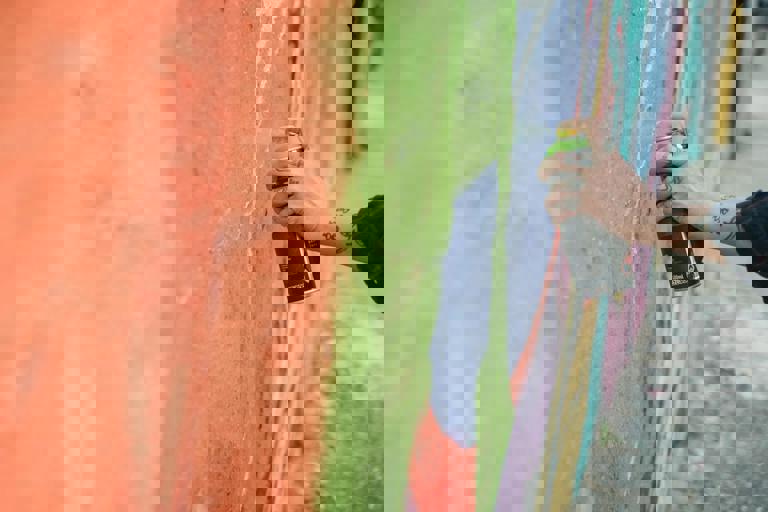
In the heart of the multicultural West End, a striking new mural has become the talk of the neighbourhood, sparking lively debate and reflection among residents. Painted across the side of the community centre, the mural features vibrant imagery depicting local landmarks, indigenous motifs, and portraits of neighborhood figures past and present. The project’s unveiling last week drew a crowd of neighbors eager to interpret its meaning and discuss its relevance to their shared experience.
The mural, a collaborative effort led by Toronto-based artist Maya Chen, was commissioned by the City’s public arts initiative as part of a campaign to invigorate urban spaces with community-driven artwork. Chen worked closely with local historians and elders from the Mississaugas of the Credit First Nation to ensure authentic representation. The artist said, “Public art should both honor history and invite now-voices, making space for future dreams and stories yet to unfold.”
While many residents praise the mural for its ambition and inclusivity, some have expressed concerns regarding whose stories are emphasized or omitted. Longtime neighborhood resident Samuel Rodriguez commented, “It’s beautiful, but I wish there was more about the immigrant waves from Latin America in the 1980s. That’s part of our story too.” Such feedback highlights ongoing tensions over communal representation and the challenges inherent in capturing layered local histories.
Community organizations have voiced their support for the project, hailing it as a catalyst for much-needed conversations. According to Sonia Patel, director of the West End Neighbourhood Association, “Art like this gets people talking. It reminds us that our community is always changing, and our identity is never finished.” Patel noted that the association plans to host storytelling nights and public tours centered around the mural, hoping to foster further dialogue and intergenerational connection.
The mural has also become a focal point for students from nearby schools, many of whom are seeing their heritage reflected publicly for the first time. Grade eleven student Aaliyah Thompson said, “I see my grandfather’s old bakery in the mural, and it makes me feel like our family’s journey matters.” Teachers have incorporated the mural into classroom discussions on art, local history, and civic engagement, underscoring its educational impact.
Not everyone agrees on the boundaries of artistic freedom in such public spaces. A handful of residents have raised objections to the inclusion of certain political symbols, questioning whether public art should remain neutral. City councillor Emilie Dubois responded, “Democracies thrive on discussion, and art provokes precisely that. Public art inevitably reflects our values, fears, and hopes, even when it’s imperfect or contentious.”
Urban planners have begun studying the social effects of the mural, citing early evidence that public art projects increase neighborhood cohesion and reduce vandalism. According to a recent survey by the Toronto Arts Foundation, 78% of respondents believe murals make their community more welcoming, while 62% report feeling prouder of their area. Researchers emphasize that such projects can have ripple effects far beyond mere aesthetics, shaping public spaces for years to come.
As opinions continue to unfold, the mural stands as both artwork and conversation starter. It testifies to the complex, evolving identity of the neighborhood—a community negotiating the balance between honoring its roots, expressing contemporary realities, and shaping its collective future. Whether through robust debate or simple admiration, one thing is clear: this bold work has succeeded in bringing people together to reflect on who they are, and who they may yet become.