
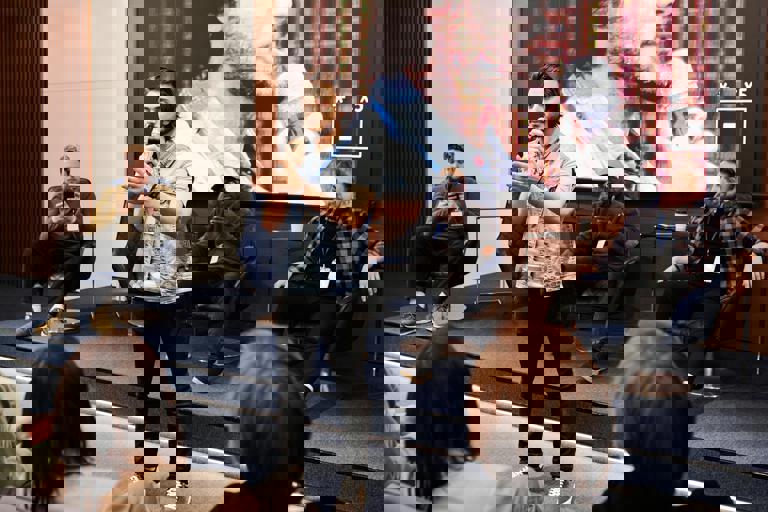
In the heart of downtown Toronto, a community center buzzed with energy as dozens of high school students convened a trailblazing forum addressing the escalating housing crisis. Organized entirely by a student council initiative, the event drew a cross-section of residents, activists, and civic leaders from across the city. The forum was a testament to the mounting anxieties among youth, who feel increasingly sidelined by soaring rents and shrinking rental options in major Canadian urban centers.
Opening the event, 17-year-old moderator Ayesha Bhatia set the tone with powerful words: "We may be young, but our voices matter. This is about our future in the city we love." Her remarks resonated through the packed room, where participants ranged from teenagers barely able to grasp a lease agreement to seniors reflecting on decades of housing change. Bhatia’s introduction underscored the generational dimensions of Toronto’s evolving rental landscape.
Panel discussions swiftly revealed stark statistics underpinning the rental crisis. According to the latest figures from the Canada Mortgage and Housing Corporation, the average rent for a one-bedroom apartment in Toronto exceeded $2,300 in early 2024, up more than 7% from the previous year. For most high school students, this figure translates into a distant, if not impossible, goal as they envision independent living after graduation.
Panelist Ethan Williams, graduating this year, spoke candidly about his experience balancing part-time work with school, only to find that even combining resources with friends offers scant hope for renting in the city’s core. "We used to joke about living together after high school, but now it feels like even that’s slipping away," he said, highlighting the tangible impact of market realities on young ambitions.
A notable portion of the forum addressed the generational divide shaping discourse around affordable living. Older attendees reflected on their early adulthood, when renting in Toronto’s downtown was achievable on a starter salary. In contrast, today’s teenagers confront an environment where wages have stagnated while housing costs skyrocket, a disparity that has created frustration and a sense of powerlessness among youth.
Amid these tensions, the forum fostered rare moments of intergenerational dialogue. Several seniors in attendance admitted to underestimating the struggles faced by young renters. "Our first apartment cost us $400 a month. I can hardly imagine starting out now," confessed Miriam Cohen, a retired teacher, drawing appreciative nods from student attendees. Such exchanges emphasized the evolving realities faced by each generation within the housing market.
City councillor Jerome Paterson joined the forum virtually, fielding questions about municipal efforts to improve access to affordable housing. He cited ongoing investments in purpose-built rental units and new bylaws prioritizing rental stock over short-term accommodations. Nevertheless, Paterson acknowledged the persistent gap between policy intentions and the growing urgency voiced by attendees. "The problem is complex, and change takes time. But your advocacy is crucial," he encouraged.
In response to these challenges, the high school organizers showcased their own research into promising solutions. Presenting data on inclusionary zoning policies and municipal incentives for affordable projects, student committee member Priya Singh argued for stronger city mandates. "We need guarantees, not just aspirations. Affordable housing shouldn’t rely on market goodwill," Singh stated, drawing applause for her call to action.
The forum’s open-mic session surfaced a wide array of personal stories, with participants sharing tales of rental discrimination, overcrowded living conditions, and anxiety over the unclear path to homeownership. One international student, Rosa Martins, described navigating multiple moves within a single academic year due to unpredictable rent increases, painting a vivid picture of instability that resonated across the audience.
As the event concluded, participants collaborated on a list of actionable recommendations, ranging from lobbying for tenant protections to expanding co-operative housing initiatives. The students pledged to use their collective platform to gather signatures, schedule meetings with city officials, and keep the momentum alive through social media awareness campaigns. Their proactive stance pointed to a new generation eager to shape the city’s future, not just inherit its problems.
Looking ahead, organizers hope the forum marks the beginning of a sustained movement. "This can’t be a one-off event," noted Ayesha Bhatia in her closing remarks. "We need all voices—young and old—to keep pushing for real solutions." For many in attendance, the evening was not just about housing but about nurturing civic engagement and community resilience. Ultimately, these young leaders have ignited a conversation the city cannot afford to ignore.