
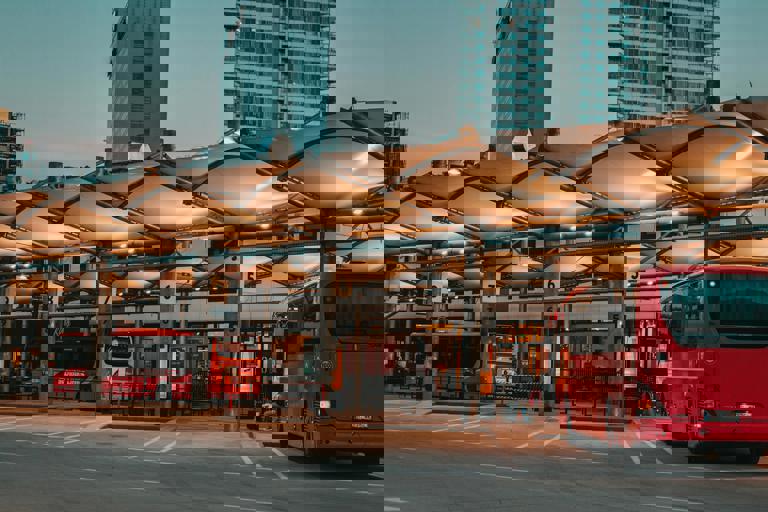
In a highly anticipated announcement, provincial and municipal officials gathered today to reveal a comprehensive transit expansion strategy set to dramatically reshape travel across several major suburban regions in Canada. The new plan aims to address long-standing gaps by connecting underserved suburban hubs more effectively to metropolitan cores. Officials claim that by 2028, residents could see the results of multi-billion-dollar infrastructure investments, with transit corridors promising to deliver both speed and environmental benefits.
At the heart of the expansion are newly proposed rapid bus and light rail lines specifically targeting areas that have typically lacked robust public transport. Suburban neighbourhoods such as Oakridge, Meadowvale, and Laval will become focal points. According to Transit Minister Allison Bray, “This is the largest investment in regional transit connectivity our province has ever seen. We are ensuring communities outside the downtown core finally have reliable, efficient service.”
Detailed route maps presented during the unveiling showed at least six major new lines radiating outward from the city, intersecting with established commuter rail systems. These lines intend to facilitate seamless transfers and shorten journey times. The plan also calls for expanded park-and-ride facilities, bike storage, and pedestrian-friendly access points at all new stations. Officials emphasized that design consultations would prioritize accessibility and ease of use for all residents.
Funding for the ambitious expansion, estimated at $4.6 billion, will be shared by all levels of government. Federal Transport Minister Marie Simone confirmed Ottawa’s commitment to the project, citing the need for bold climate action. “Investing in transit is investing in our future. Not only will this reduce congestion and improve air quality, but it is a crucial step toward meeting our national emissions targets,” Simone said during the press briefing.
Commuters living in outlying suburbs have long voiced frustration over time-consuming transfers and infrequent service. According to a 2023 survey by the Regional Planning Council, over 70 percent of suburban residents reported commutes exceeding 45 minutes one-way. These delays often discouraged them from relying on public transit in favour of driving, exacerbating rush-hour gridlock and pollution across the region.
Local advocacy groups welcomed the announcement, expressing hope that new transit options will boost economic opportunity and enhance social inclusion. “Efficient transit levels the playing field,” said Jasmine Ng, spokesperson for the Suburban Mobility Coalition. “Our residents, especially seniors and students, have struggled for years with unreliable service. The commitment to frequent, all-day trips is a game changer for our communities.”
Environmentalists also praised the plans, highlighting the anticipated reduction in traffic-related carbon emissions. The Environmental Policy Institute estimates that the expanded network could cut annual greenhouse gas output by up to 110,000 tonnes within the first five years. Spokesperson Daniel Rousseau noted, “Every car trip replaced by transit helps mitigate climate change. This level of investment is what we’ve been advocating for decades.”
Beyond environmental impact, experts suggest that reliable suburban transit can spur job growth and urban revitalization. Professor Olivia Pelletier, an urban planning scholar at York University, explained, “When regions are better connected, businesses have access to a broader talent pool and residents gain more employment and educational choices. Transit improvements are integral to equitable urban development and sustained economic competitiveness.”
Special attention is being given to implementation timelines, with officials aiming to minimize disruption during construction. Project Manager Vincent Gagnon stated that phased rollouts would enable parts of the new lines to open as early as 2026, with full completion targeted by 2028. He emphasized that extensive community engagement will guide construction scheduling. “We’re inviting input every step of the way to address local needs and concerns,” Gagnon said.
Nevertheless, some residents expressed skepticism, citing previous transit projects that suffered from delays and ballooning costs. Sarah Chambers, a commuter from Milton, spoke at the meeting: “While the vision is strong, accountability is crucial. People remember when promises weren't kept. It’s essential we have credible oversight and transparent progress reports for taxpayers to trust the process.”
To bolster public confidence, officials announced the formation of an independent oversight committee, comprised of local representatives, transportation experts, and citizen advocates. This body will publish quarterly updates and host open forums to answer public questions. Such transparency is designed to prevent cost overruns and ensure that project timelines remain on track, fostering collaborative decision-making between government and constituents.
Looking ahead, the transit expansion represents a pivotal milestone for suburban Canada, offering renewed connectivity, environmental stewardship, and social opportunity. As the 2028 deadline approaches, officials and communities alike will closely monitor progress. Should these plans deliver as promised, they could serve as a national template for modern, sustainable infrastructure development, fundamentally reshaping the way Canadians move and interact within their cities.