
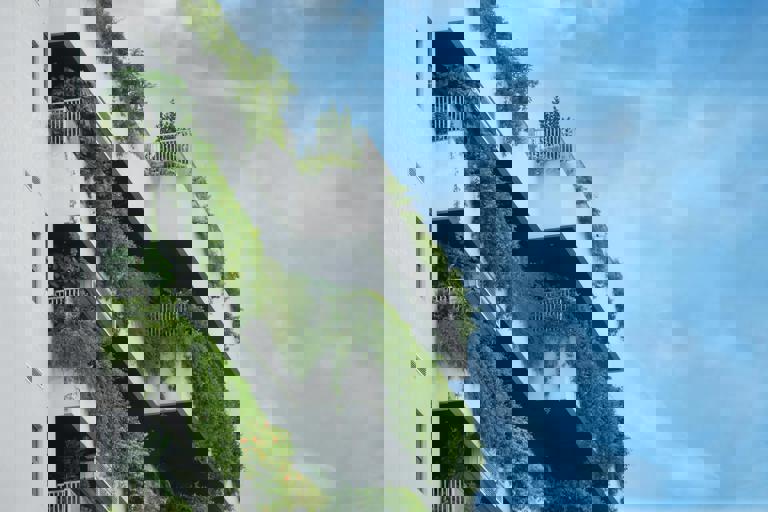
A new public policy initiative in Canada is rapidly transforming city skylines as property owners race to install green roofs on their buildings. The federal government recently unveiled a tax incentive that significantly reduces capital costs for those who add living, vegetated rooftops to existing or new structures. This policy, designed to encourage sustainable urban development, has already sparked interest across major cities like Toronto, Montreal, and Vancouver.
The tax incentive, introduced in early 2024, provides property owners with a 25% deduction on the cost of installing a green roof. Under the program, qualifying expenses can include the purchase of plants, soil substrates, and irrigation systems as well as professional design and installation fees. Local governments are also offering complementary grants, layering additional financial benefits for those who participate in the initiative.
Urban planners and environmental advocates are applauding the move, saying it addresses multiple challenges faced by Canadian cities. "Green roofs are a critical step in reducing the urban heat island effect and managing stormwater runoff," noted Dr. Samantha Li, an urban ecologist at the University of Toronto. She highlighted that these projects enhance biodiversity while also insulating buildings, ultimately reducing energy costs.
Real estate developers have responded swiftly to the announcement, eager to capitalize on the tax break. According to the Canadian Green Building Council, inquiries from property owners and developers about green roofing have tripled in the first two months since the incentive was launched. Large commercial landlords and condominium boards are seen as especially active, aiming to improve both sustainability credentials and long-term property values.
The program is not without its critics. Some small property owners argue that even with the tax incentive, upfront costs remain prohibitive for limited budgets. Municipalities are attempting to address these concerns by streamlining permitting processes and offering technical support to help smaller stakeholders. Advocacy groups are also calling for further grants or micro-loans to increase participation among lower-income property owners.
From a policy perspective, the incentive comes at a time of growing concern over extreme weather events linked to climate change. With recent floods and heatwaves putting pressure on urban infrastructure, policymakers are looking for adaptation strategies that deliver multiple co-benefits. Green roofs help absorb rainwater, filter pollutants, and provide much-needed green space, particularly in densely populated city cores.
Furthermore, employment in the green building and landscaping sectors is set to grow as demand for green roofs increases. Industry associations estimate that more than 5,000 new jobs could be created over the next two years, ranging from horticultural specialists to construction laborers. This is viewed as a boon for local economies, particularly in areas struggling to recover from the economic impacts of the pandemic.
Tenants and residents are also embracing the change, as green rooftops offer public or private outdoor spaces in otherwise concrete-heavy urban environments. Many rooftop gardens double as community spaces, fostering social connections and opportunities for urban agriculture. "Our new green roof has become a gathering place for residents and a source of pride for our building," said Francesca Nguyen, board chair of a Toronto condominium.
As the rush for green roofs continues, experts emphasize the importance of long-term maintenance and proper design to ensure success. Improper installation can lead to drainage issues or structural problems. Industry guidelines are being updated, and specialized training sessions are underway to equip installers with the skills needed to meet new demand while upholding safety and performance standards.
Looking ahead, analysts suggest that the success of the tax incentive could serve as a blueprint for future sustainable infrastructure initiatives, both in Canada and abroad. As cities face intense challenges from rapid urbanization and climate volatility, policies melding environmental stewardship with economic incentives are likely to feature more prominently on public agendas. The blossoming of green roofs across Canada may mark just the beginning of a broader shift toward urban sustainability.