
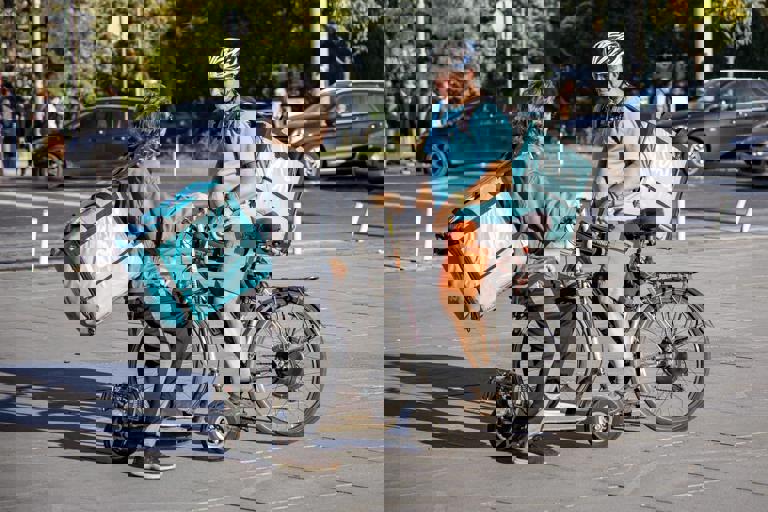
Navigating the heart of downtown in Canada’s bustling cities has always been a demanding task for bike couriers. But the urban landscape is rapidly evolving, posing new challenges for riders who depend on efficiency and agility. In recent years, the surge of e-scooters—now a common sight along new bike lanes—has transformed the cityscape, bringing unexpected hurdles to those who pedal for a living.
Professional courier cyclists, long considered masters of urban navigation, find themselves entangled in a web of growing congestion. "E-scooters have multiplied, and riders often swerve unpredictably," says Karine Dufresne, a Montreal-based bike courier. The result: bike lanes once offering a clear route are increasingly crowded, forcing couriers to adapt in real time and revamp their preferred city routes.
City officials tout the expansion of protected bike lanes as a victory for sustainable transit and road safety. However, integration with e-scooters has proven complex. According to a 2023 City of Toronto report, bike lane usage increased by 23% after e-scooters were legalized, while reported near-misses between cyclists and e-scooters jumped by nearly 40%, highlighting emerging safety concerns for all users.
The shifting traffic patterns haven’t gone unnoticed by those on the front lines. Couriers report spending more time navigating around not just e-scooter users, but also clusters of parked scooters blocking bike lanes. This forces riders to merge unexpectedly into vehicular traffic, raising the risk of collisions and slowing the delivery times that businesses and customers rely on.
Courier companies are rethinking their strategies to adjust to this changing environment. "We’re reviewing city maps and consulting with riders regularly to identify new trouble spots," says Marc Tremblay, operations director for a major courier service in Toronto. Data-driven route planning, once focused mainly on rush-hour traffic, now must consider the randomness of e-scooter crowds at various times of day.
Technological adaptations have aided some cyclists in the transition. Many now use GPS apps with real-time congestion updates, helping them avoid the densest corridors where e-scooters cluster. Others have adopted wearable cameras both as a safety measure and as documentation tools when disputes arise with other lane users or in cases of accidents hastened by these new obstacles.
Advocates for both cyclists and e-scooter riders are calling for clearer regulations and better lane design. "The city needs to delineate spaces more clearly and enforce parking rules for rented e-scooters," argues Linda Xu, spokesperson for a cycling advocacy group in Vancouver. Her organization proposes a dedicated lane for micromobility vehicles or stricter controls on where e-scooters can be left after use.
While tensions occasionally flare between the groups, some find opportunities to collaborate. Shared educational campaigns on bike lane etiquette and safe riding practices have emerged, aiming to foster mutual respect. “We’re not enemies,” notes courier Tyler Singh. “We’re sharing the same space, and it works best when everyone knows the unspoken rules.” Such grassroots efforts hint at a more harmonious future on crowded lanes.
As downtown life continues to evolve, courier cyclists remain resilient in the face of mounting obstacles. While increased e-scooter presence and shifting traffic patterns present undeniable challenges, they also prompt innovation—both in navigation tools and in community advocacy. For these riders, adapting to the new shape of city streets isn’t just a job requirement, but a constant test of ingenuity, patience, and city spirit.