
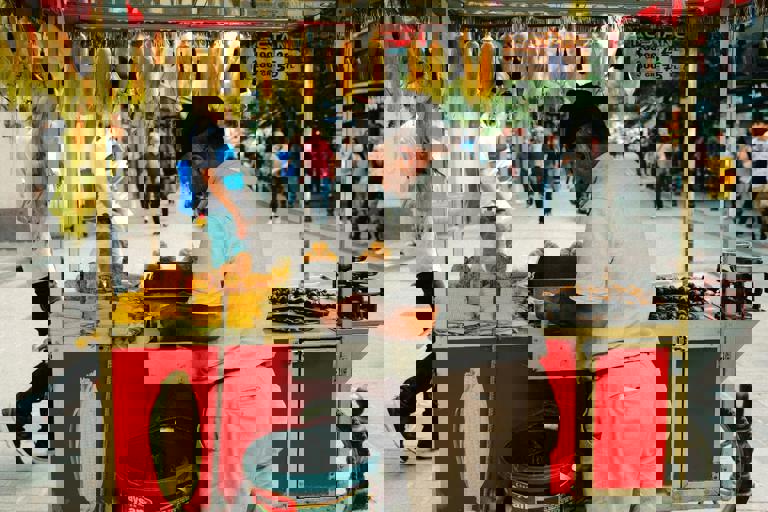
The bustling streets of Canadian cities are witnessing a vibrant explosion in street food as more entrepreneurs launch colorful food carts catering to hungry locals and adventurous tourists. These carts are serving up a tantalizing mix of global flavors, from spicy jerk chicken to aromatic Thai noodles. However, beneath this culinary renaissance, vendors are grappling with a less appetizing reality: a critical shortage of street vending permits that leaves many hopeful operators stuck in bureaucratic limbo.
Securing a food cart permit in cities like Toronto and Vancouver has become increasingly difficult amid growing competition. According to the Canadian Street Vendors Association, hundreds of applicants are vying for just a fraction of the available permits each year. "The waiting list seems to get longer every season," says Amir Rahman, a vendor from Scarborough. "There are so many of us trying to share our cultures, but so few spots to do it legally."
City officials cite public safety, sidewalk congestion, and sanitation as key reasons for tightly controlling the number of permits issued annually. "We want to support small businesses but must balance this with pedestrian access and cleanliness," notes Lisa Huang, spokesperson for the City of Vancouver. The city currently limits food cart permits to 150, despite receiving more than 500 applications in 2023 alone, highlighting the intense demand for these highly-sought operating licenses.
As demand for diverse street eats climbs, the limited supply of permits has inevitably driven up their value. Some vendors resort to subleasing permits at inflated prices or entering informal arrangements, skirting official processes. "It's become an underground market," says food industry analyst Olivia Marcoux. "Entrepreneurs are paying triple or even quadruple the original permit cost just for the right to operate their businesses on legal ground."
The cultural impact of these restrictions is significant, especially among new Canadians eager to share their culinary heritage. For Haitian-born chef Jean Renard, running a food cart is more than a livelihood; it’s a means to connect with the community. "Food is a universal language," Renard asserts. "But when permits are so scarce, the city misses out on the incredible diversity immigrants bring to the table—and we lose opportunities as entrepreneurs."
The customer experience is also affected by permit shortages. In thriving districts like Kensington Market and Granville Street, long lines form at the handful of legal food carts, leaving potential patrons frustrated and vendors overwhelmed. According to a 2024 survey by Urban Eats Magazine, 67% of respondents expressed a desire for more variety and shorter wait times at local street markets—a sentiment business owners are eager to address if given the chance.
Policy advocates argue that increasing permit quotas would stimulate economic growth and celebrate multiculturalism, two hallmarks of urban Canadian life. "Toronto and Vancouver have reputations as food cities, but restrictive policies are limiting that potential," argues Rachel Singh, director of Street Food Forward, a nonprofit campaigning for more inclusive regulations. Her organization is lobbying for reforms including a streamlined application process and expanded operating zones for food carts.
As local governments consider how to respond, the future of Canadian street food hangs in the balance. While officials emphasize the need for order and safety, vendors and supporters insist there is room for both regulation and opportunity. What is clear is the appetite—among cooks and customers alike—for a thriving, inclusive street food scene that reflects the delicious diversity of urban Canada. The coming months may determine whether more entrepreneurs will find their place amidst the city’s culinary crowds.