
In Montreal’s vibrant Plateau-Mont-Royal district, the stately façades of early 20th-century apartment buildings now hide a modern secret. This spring, management companies began installing smart security systems in historic apartment blocks, marking a significant technological leap for the city’s aging housing stock. Residents, used to creaky iron locks and callboxes, are suddenly greeted by sleek keypads, facial recognition devices, and security cameras discreetly positioned at building entrances and hallways.
The push toward high-tech security comes amid growing concerns about urban safety in Canadian cities. According to a 2023 Statistics Canada report, property crimes in major urban centres have shown a modest uptick, prompting building owners to seek innovative preventative measures. Marianne Leclerc, who manages three historic complexes, explains, “We want to offer residents peace of mind while respecting the unique character and heritage of these beloved buildings.”
Smart lock technology now allows tenants to unlock doors via smartphone apps or personal codes instead of traditional metal keys. Many residents appreciate the added convenience as well as the ability to grant access to guests or delivery people remotely. “I feel safer, especially when I come home late,” says student Alex Dubois, whose schedule keeps her out after dark. “The app is easy, and I don’t worry anymore about lost keys.”
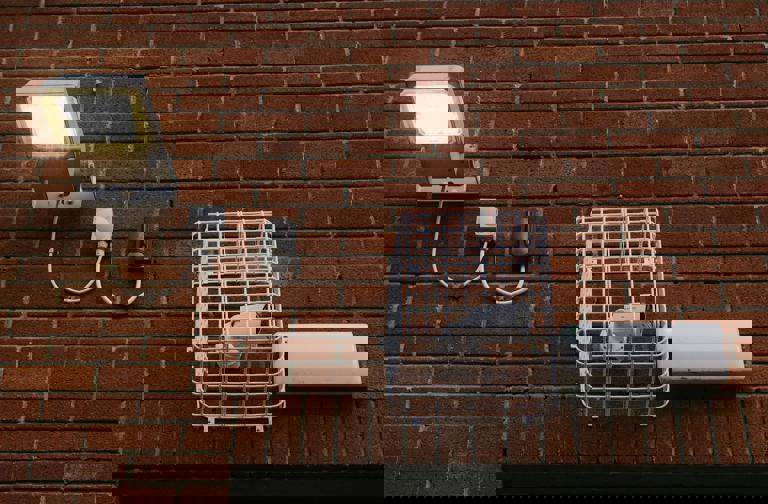
Alongside the smart locks, high-definition security cameras now monitor building entrances, mailrooms, and bike storage areas. These cameras, equipped with motion sensors and night vision, are intended to deter unauthorized visitors and facilitate quicker response times if incidents occur. Building management assures tenants that recorded footage is stored securely and used only for incident verification, but not everyone feels reassured.
Despite the conveniences, concerns about privacy have surfaced among tenants and community advocates. “We understand the need to modernize,” says longtime resident Jean-Pierre Lavoie, “but there’s a big difference between feeling secure and feeling watched.” The debate mirrors a national conversation about how technological advancements intersect with civil liberties, especially in shared living environments where personal routines are easily tracked.
Tenant associations across multiple neighbourhoods have requested detailed policies outlining who can access surveillance footage and under what circumstances. Many residents are advocating for transparent protocols, such as regular audits of footage access logs and written consent requirements. According to privacy lawyer Danielle Couture, “Clear guidelines are essential to ensure that security measures don’t become tools for needless intrusion or potential misuse.”
Heritage preservation is another important consideration in these upgrades. Montreal’s apartment blocks, many featuring original stonework, stained glass, and wrought iron, are protected by municipal regulations. Installation teams have had to work carefully, often limiting visible alterations and routing wiring along existing infrastructure to minimize visual impact. In some cases, approval from heritage committees was required before any device could be fastened to the walls.
Many property managers see digital security as a way to attract a wider demographic of renters who value safety and convenience. “We’re seeing increased interest from families and young professionals,” comments Julie Tremblay, owner of a ten-unit building near Parc La Fontaine. She notes that occupancies have improved since upgrades were announced, and maintenance costs related to key replacement and lock damage have dropped.
Not all residents are quick to embrace change, however. Older tenants in particular are wary of adopting smartphone-based systems. Jeanine Roy, 82, says, “I don’t use a phone like that. The old key always worked for me.” In response, some buildings offer hybrid solutions, pairing digital access with backup traditional keys or fobs, ensuring that the new technology doesn’t inadvertently exclude less tech-savvy occupants.
The evolving technology also raises questions about long-term data storage and equipment lifespan. Manufacturers typically provide five to ten years of software support for smart locks and cameras, after which devices may become obsolete. “We need a plan for when these systems age,” warns building superintendent Marc-Antoine Bélanger. “Otherwise, replacing hardware could become a significant new cost for owners and tenants alike.”
Industry experts suggest that the widespread adoption of smart security in heritage buildings reflects a broader trend. Smart home solutions are expected to represent over $602 million in annual revenue in Canada by 2025, according to analysis by Statista. As these technologies become more affordable and accessible, their presence in even the oldest housing stock seems inevitable, provided privacy and accessibility concerns are addressed.
City officials are watching closely as implementation unfolds. Montreal’s Bureau du patrimoine, responsible for safeguarding the city’s historic sites, has issued guidelines recommending best practices for technological upgrades. These include consulting with tenants, preserving architectural integrity, and establishing data protection standards consistent with Quebec’s privacy laws. Such oversight aims to balance progress with cultural and civil obligations.
For now, most residents agree that the upgrades strike a tentative compromise between safety and tradition. As building manager Leclerc observes, “The goal isn’t to erase history, but to make sure these beautiful spaces continue to thrive for generations.” As technology advances, the challenge facing Canadian cities will be to ensure that all residents—whether in century-old apartments or modern condos—feel both secure and respected in their homes. The conversation, like the city itself, is far from finished.