
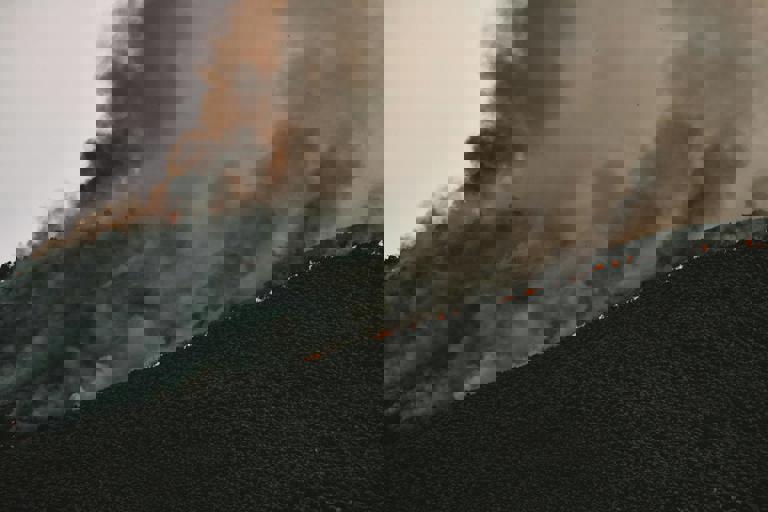
Dense swaths of smoke from distant wildfires have blanketed cities across Canada this week, leading officials to issue urgent air quality warnings from Vancouver to Montreal. Satellite images showed thick plumes drifting for hundreds of kilometres, inundating urban areas that are usually spared such severe atmospheric conditions. As particles settled over metropolitan regions, municipal governments took swift action, urging residents to stay indoors and reduce outdoor activities wherever possible.
The impacted areas span several provinces, with major population centres experiencing the brunt of the haze. In Toronto, for example, air quality indices (AQI) soared to levels deemed hazardous by Health Canada, while cities like Calgary and Ottawa also faced similar spikes in pollution. Emergency alerts and public health advisories were disseminated through multiple channels, including local news, social media, and official government websites, warning of the risks posed by prolonged exposure.
Medical professionals have voiced growing concern over the health implications of the smoky conditions, particularly for vulnerable groups. “Children, seniors, and individuals with preexisting respiratory or cardiac issues are at heightened risk,” said Dr. Elise Tremblay, a pulmonary specialist at Montreal’s General Hospital. Symptoms such as coughing, headaches, and throat irritation have led to increased hospital visits, with some clinics reporting a 30% uptick in calls related to respiratory distress.
In response to the deteriorating air quality, several schools and community centres temporarily suspended outdoor programs. In many neighbourhoods, playgrounds remained deserted as government officials advised parents to keep children indoors. Some businesses also shifted to remote operations where possible, accommodating employees concerned about commuting in smoky conditions. Meanwhile, the Canadian government emphasized the importance of proper ventilation and the use of HEPA filters inside homes and buildings.
Environmental agencies highlighted that the source of the smoke can be traced to extensive wildfires burning in northern Alberta and British Columbia. These fires have consumed thousands of hectares, fueled by unseasonably dry weather and persistent winds. According to Natural Resources Canada, this year’s wildfire season has already surpassed historical averages, sparking discussion among scientists about climate change’s role in intensifying these events.
Communities in affected regions have shown remarkable resilience, organizing volunteer groups to deliver N95 masks and assist vulnerable neighbours. “We’re seeing Canadians come together in challenging times, looking out for one another,” noted Erin Holloway, coordinator of a Toronto-based relief group. Residents have also turned to innovative tools such as mobile apps and online platforms to track real-time air quality reports and plan their daily activities accordingly.
Officials at all government levels reiterated the need for improved preparedness as such incidents become increasingly common. Investments in early warning systems, community shelters with filtered air, and public education campaigns were highlighted as critical next steps. “We must adapt our emergency response to be faster and more effective,” said Public Safety Minister Marco Mendicino, underscoring the importance of cooperation between federal, provincial, and municipal authorities.
Looking ahead, experts caution that, while the immediate crisis may pass with shifting winds or rainfall, recurring episodes of wildfire smoke could become a regular part of the Canadian urban experience. As summer approaches and fire risk remains high, both officials and citizens are encouraged to remain vigilant, heed air quality advisories, and take proactive measures to minimize health impacts—signaling a potential new normal for cities across the country.